
From snail slime to bird poo, these beauty treatments are simply bonkers!
Bee venom facials
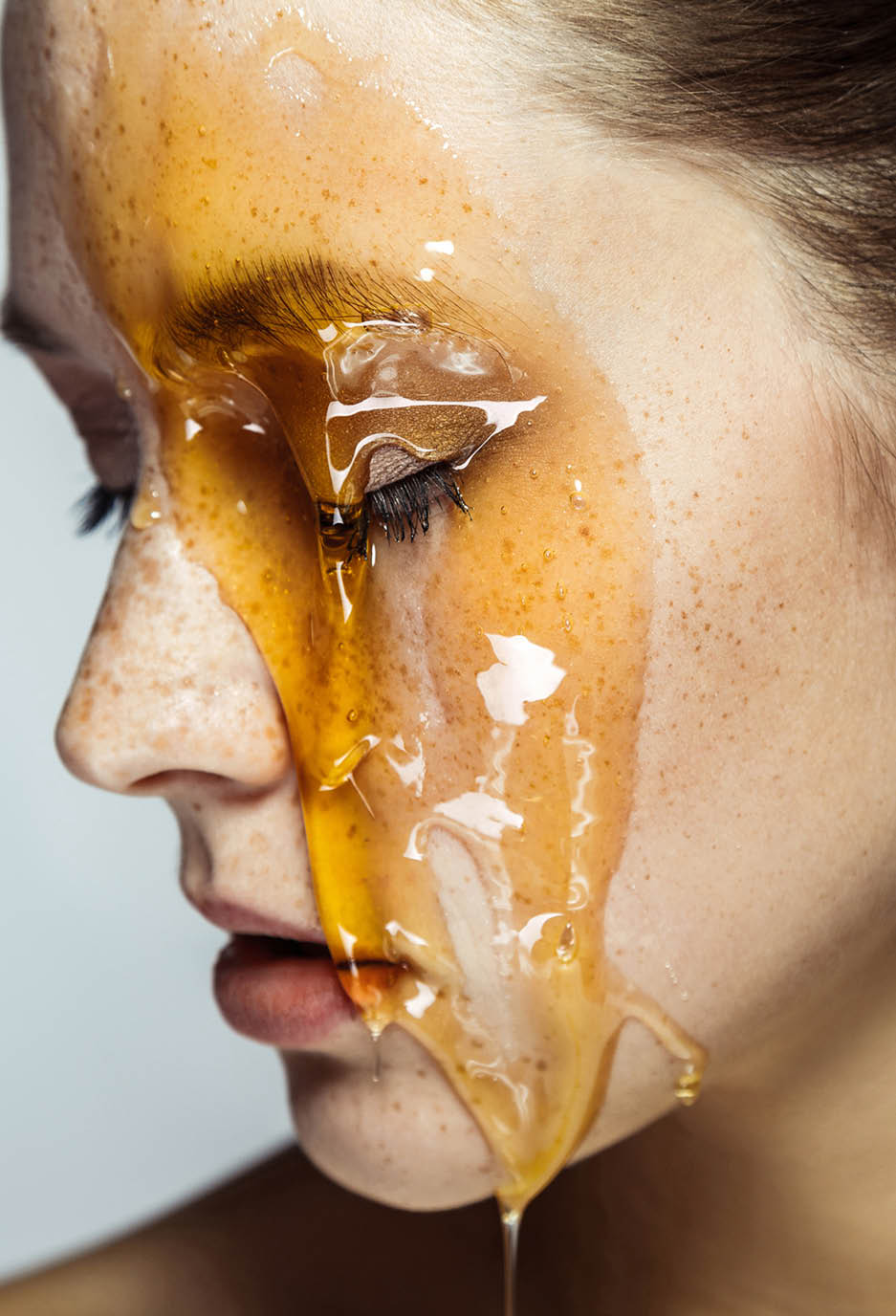
Apitherapy became a hot word in beauty when Hollywood superstar and wellness guru Gwyneth Paltrow confessed to being stung by bees in a bid to reduce inflammation and scarring on her skin. Fortunately, apitherapy (or bee-venom) facials are considerably less invasive. During a bee venom facial, a trained skincare professional applies a specially formulated bee venom product to the client’s cleansed and prepped skin. The product typically contains a controlled amount of bee venom extract, along with other skincare ingredients.
The concept behind these facials is that bee venom, when used topically, may have several potential benefits for the skin, including anti-ageing and anti-inflammatory effects. However, there have also been examples of people suffering an allergic reaction to the treatment, so bee-ware!
Snail slime products
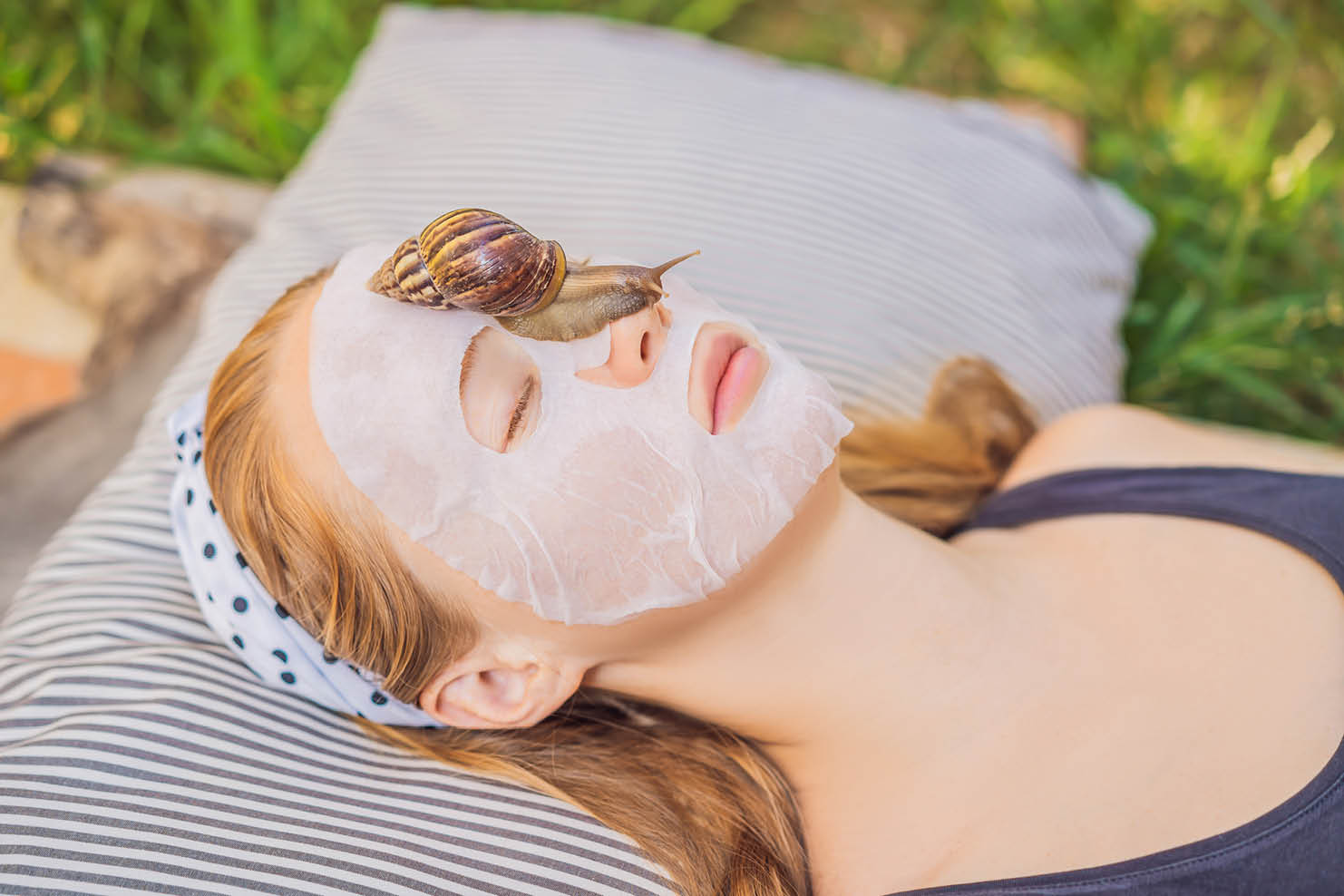
In recent years, snail mucin has been used in various skincare products, including creams, serums, masks, and even cleansers. Snail slime contains a variety of natural components, including glycoproteins, hyaluronic acid, glycolic acid, antioxidants, and peptides. These ingredients are believed to offer several potential benefits for the skin, such as hydration, exfoliation, and anti-aging effects. The good news is that you don’t need any snails on your skin, but on the flip side, some brands don’t prioritise the ethical treatment of the snails when harvesting their slime, so do your research before purchasing.
Snake massages
Not for the faint-hearted, this unconventional form of massage therapy involves the use of live snakes to provide a unique and sometimes controversial massage experience. Believed to have originated in Southeast Asia, fans of snake massages claim that the sensation of snakes moving across the body can have therapeutic benefits. They suggest it can help with stress relief, relaxation, and muscle tension reduction.
Not surprisingly, there are concerns about this particular treatment. Beyond the ethics of using live animals, and a suspicion that therapies like this are aimed more at the thrill-seeking tourist over those truly seeking healing.
Wine baths
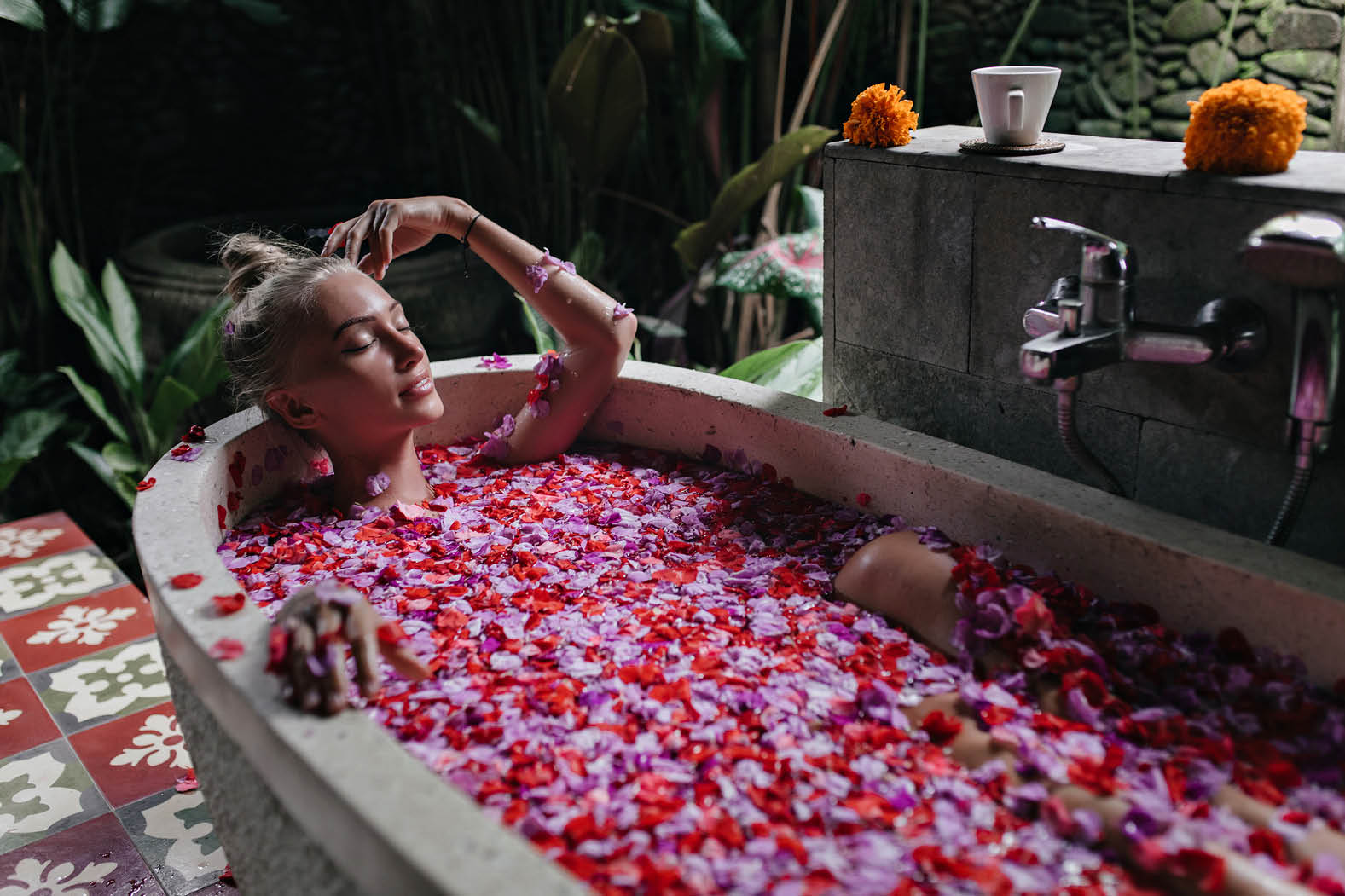
You’ve heard drinking red wine has health benefits, but what about bathing in it? The concept of wine baths has its roots in France, particularly in the Bordeaux region, where the wine industry is prominent. The practice was popularised by Mathilde Thomas, the founder of Caudalie – a skincare brand known for its use of grape extracts in beauty products – and was initially developed to make use of the by-products of winemaking, such as grape seeds, skins and vines.
The antioxidants found in wine and grape extracts are believed to help neutralise free radicals and protect the skin from oxidative stress, potentially promoting a youthful and radiant complexion. It is also thought to be luxurious and relaxing, though, frankly, you’d probably get the same effect from quaffing a glass of very fine red.
Bird poo facials
Favoured by geishas and kabuki actors in the Japanese Edo period (17th to 19th centuries) to remove heavy makeup and to brighten and exfoliate their skin, bird poo facials are thought to be a very effective treatment. The main ingredient in bird poo facials is ‘uguisu no fun’, which is the Japanese term for powdered nightingale droppings. The droppings are collected, sanitised, and finely ground into a pale green or white powder.
These days, there are many more products which are as, if not more, efficacious for achieving a glowing complexion. However, next time a flying friend bequeaths a gift upon you, at least you can be thankful for its potential skincare properties.